In this era of explosive growth in computing power demand, several data center projects we have recently participated in often encounter a problem: cabinet heat dissipation has risen from a technical detail to a core element affecting the operational efficiency of the entire data center. When the power density of servers has soared from 5-8kW per cabinet five years ago to 15-20kW per cabinet today, and even exceeds 40kW in AI training scenarios, traditional cooling methods have become inadequate.
Cold aisle enclosure is currently the most widely used solution. A relatively closed cold space is formed by installing top cover plates and end baffles between opposite cabinet rows. The advantage of this approach is that maintenance personnel can work in a hot aisle environment at normal temperature, providing a better operational experience. According to the test data released by Huawei, after the cold aisle is sealed, the supply air temperature can be increased by 3-5℃, and the energy consumption of the refrigeration system can be reduced by 15-25%
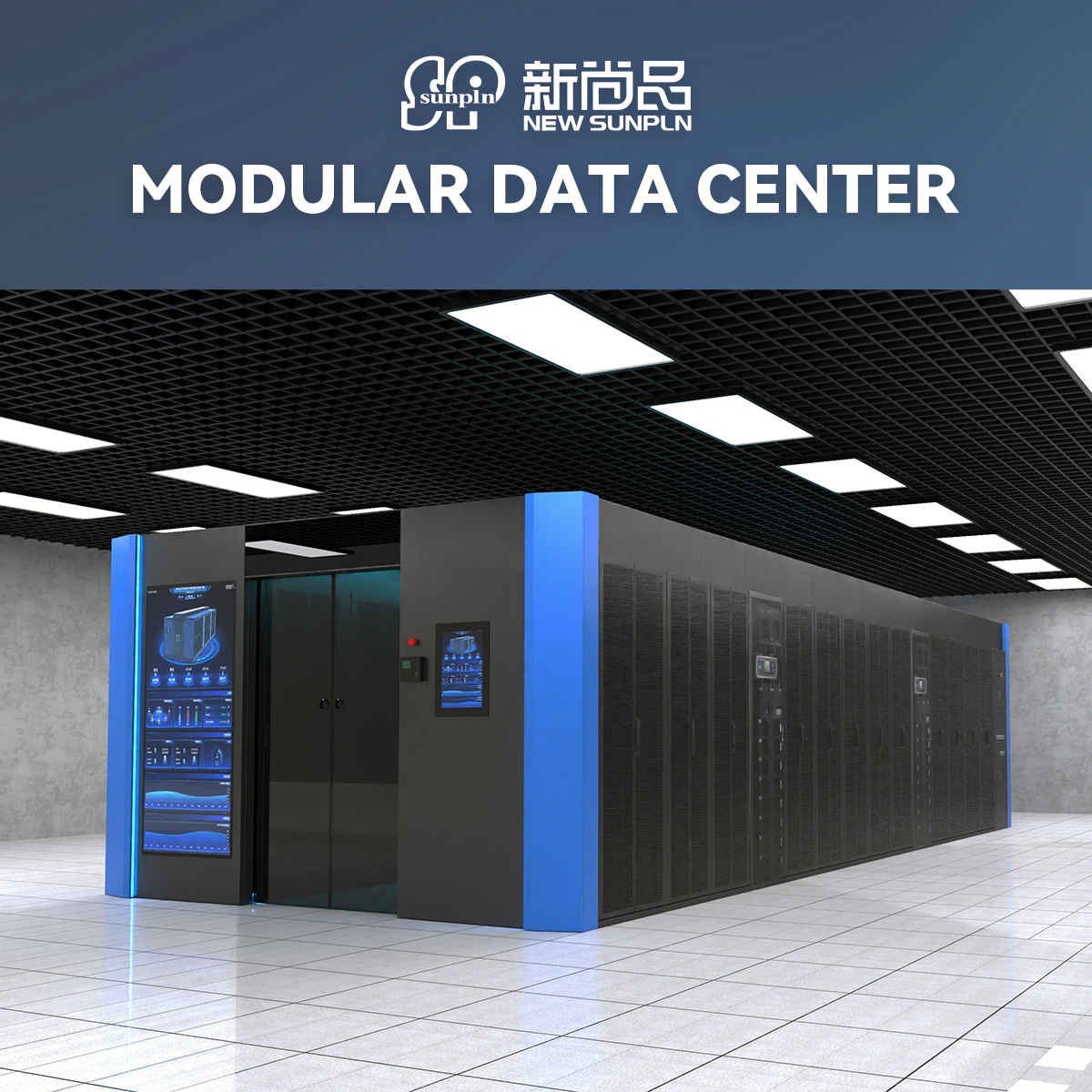
Hot aisle enclosure completely isolates the hot air, maintaining a relatively low temperature throughout the entire computer room except for the hot aisle. This solution has a higher cooling efficiency, but maintenance personnel need to work in the hot aisle, which poses certain challenges for personnel operation.
When choosing a specific plan, it is recommended to give priority to the cold aisle enclosure. Under the premise of ensuring fire safety and maintenance convenience, formulate an appropriate implementation strategy in combination with your own power density and the characteristics of the air conditioning system. After all, in today's increasingly fierce competition for computing power, every kilowatt-hour of electricity saved may be transformed into a real competitive advantage.




 Home
Home